


When I was 17, I worked at a call center during the summer.
There were people of all ages. One of my co-workers was about 30 at the time.
I wasn’t great at my job, selling products over the phone, but I remember one shift where I hit a streak.
I had something like 10 to 15 sales. I can’t remember the exact number, but it was twice that of the next person.
The only people who told me “congrats” were my manager and that 30-year-old guy. I still remember what my co-worker said:
“Enjoy it, man. Most people are begrudging. Ignore them.”
I didn’t get it at the time. Begrudging? He meant that most people always act with a sense of resentment.
As a 17-year-old kid, you think that everyone in the world has the best intentions.
But the older I got, the more I realized how true those words were.
He was talking about how most people will begrudge you as soon as you’re doing well.
They don’t wish others well. They see everything as a competition.
If you win, it means they lose.
For many years, I didn’t want to believe that was true, but unfortunately, it is.
Why it’s hard to wish people well
Envy isn’t a modern phenomenon caused by social media; it’s a part of human nature forever.
You can find the stories about envy in ancient stories, religious texts, and philosophy.
Aristotle defined envy as the pain we feel at the sight of another’s good fortune, stirred by “those who have what we ought to have.” He said:
"The spirit of envy is not that one should have what is good for oneself, but that the other should not have it."
Envy isn't necessarily about wanting to win; it's more about wanting the other person to lose.
It’s a survival instinct gone wrong.
In a world of limited resources, our ancestors had to compete for food. If your neighbor caught more fish, it might have meant your family went hungry.
In the modern world, we’ve kept the instinct but lost the context. We often view success as a zero-sum game.
We view it as a pie where if you take a big slice, there’s less for me.
The Stoic philosophers, like Epictetus, also warned that envy is a “rot of the bones.”
Epictetus explained how envy poisons your mind:
"A man should so live that his happiness shall depend as little as possible on external things. The man who is envious or jealous... makes himself a slave to those who have the things he desires."
He argued that by focusing on what others have, we hand over the keys to our happiness to someone else.
When you begrudge someone, you are actively poisoning your own peace of mind.
The Mirror Effect: Why those closest to us envy the most
This brings us to a painful realization.
The people we expect to support us, our close friends and family, are often the ones who find it hardest to celebrate our wins.
It’s not always out of malice. Instead, your success acts as a mirror.
When you start doing well, it reflects back to them the things they haven’t done yet.
If you start a business, lose weight, or get a promotion, it forces them to ask, “Why haven’t I done that?”
Or when siblings grow up in a stressful environment, and one of them escapes the drama and builds a stable family, the others feel betrayed. They feel left alone.
This stuff happens regularly.
It’s no surprise that so many people feel very lonely in pursuing their ambitions because of this.
They find that as they climb, the circle of people cheering for them often gets smaller.
The logic of giving
When I moved my newsletter to Substack, many readers reached out and shared encouraging words with me.
We’ve never met, and yet their positivity and generosity came through loud and clear.
Here’s one email I got from a reader that meant a lot:
“Substack is the place to be! I can’t remember when I starting getting your emails, or how I first subscribed - it’s been many years. I enjoyed your post today and am really glad to see you doing so well. Especially liked the part where you detailed your plan to be a writer. Anyway, just wanted to say Congrats on the move!”
Just taking a little bit of time to write an encouraging email or message can be very meaningful to someone.
And the funny thing is, these types of messages will often come from people who are not even that close to you. A co-worker, a classmate, or a distant neighbor.
That’s why I’ve made it a priority to always respond to my emails and comments. I also make time for friends or acquaintances who reach out to me.
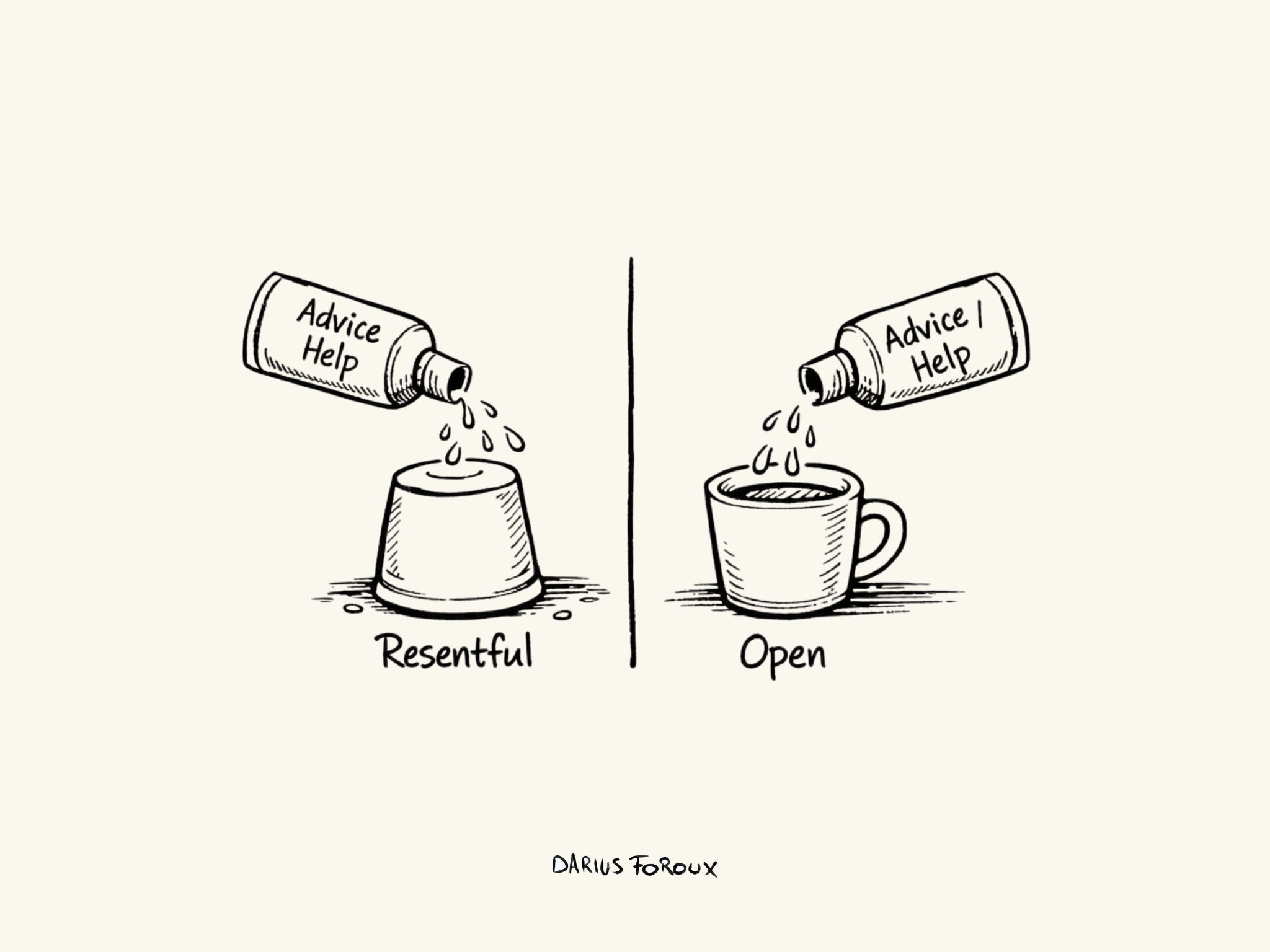
Instead of simply wishing others well, I believe we should try to help people as much as we can within reason
I don’t mean that you should prioritize others over yourself to the point of burnout. That’s a bad strategy because you’ll eventually feel like you don’t matter.
Fulfill your own ambitions. That’s a good thing.
But at the same time, help those who are open to it.
In my experience, people with a warm heart who wish others well are generally happier and more successful.
People who can’t see others succeed and are always jealous often have lives filled with drama, conflict, and negativity.
Here’s something most of us know: The more you help others, the more the world tends to give back to you.
And even if you don’t get anything physical in return, it’s all good.
Keep giving.
Because you will feel good about yourself, which is priceless.
Thank you for this very timely reminder! I was just feeling a little jealous of someone that is able to travel more than I can, at the moment, and your article was a reminder to wish others well and count our own blessings.
I'm glad you moved to substack so I can like your articles and comment. Keep spreading your cheerful and pertinent thoughts! Thanks for sharing.
A very relevant and much needed reminder to be kind in these trying times ❤️
I too have noticed that my day goes better if I make someone happy with a little compliment, a little help. It just feels so good.
As always, thank you dear author for bringing these pearls of wisdom into our lives.